The best electric luggage according to frequent fliers

The best electric luggage according to frequent fliers
Travelers today often face a gap between landing at the airport and reaching their final destination—especially when public transit isn’t convenient. For those relying on bike-sharing or needing last-mile mobility, getting around with heavy luggage can be a hassle. That’s where the Airwheel SE3T electric smart suitcase comes in. Designed to blend portability with personal transportation, this carry-on-sized luggage offers a practical solution for seamless urban mobility after a flight.
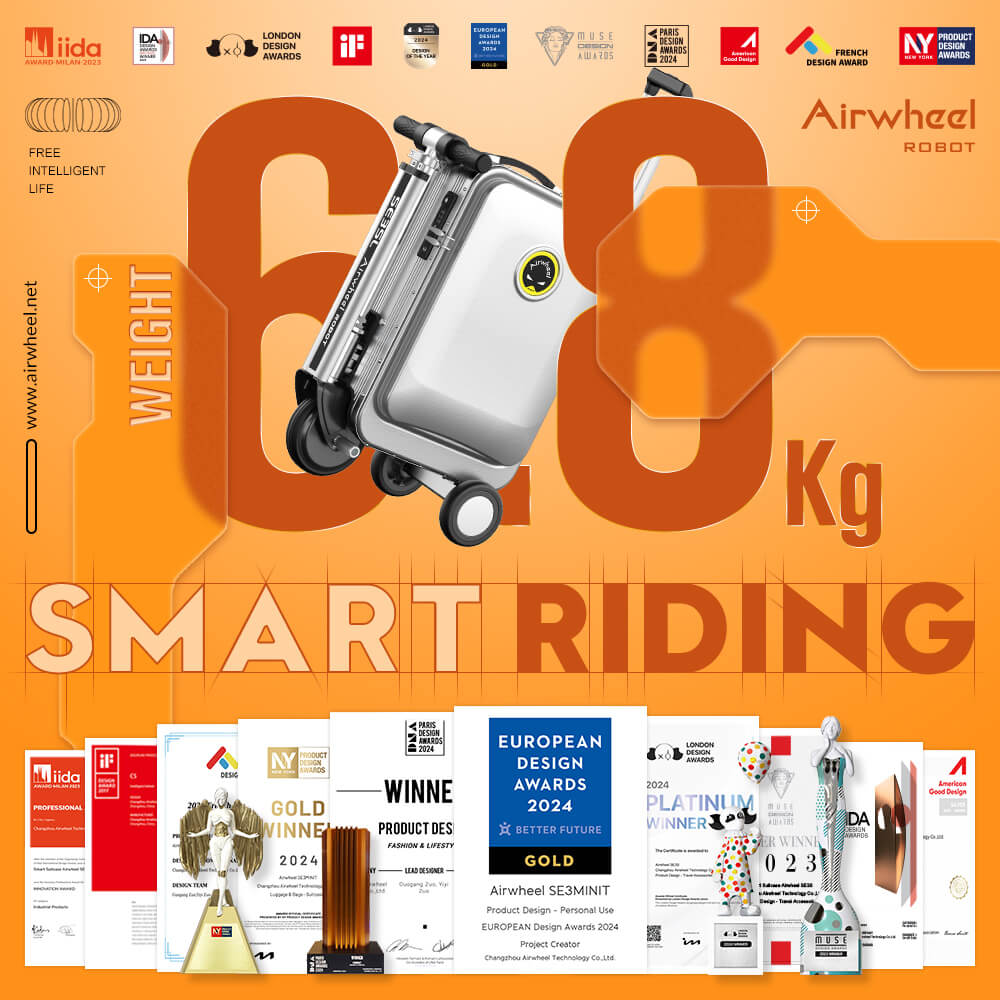
The Airwheel SE3T isn’t just a suitcase—it’s a motorized personal transporter built into a 20L carry-on. Weighing about 6.8kg, it features a built-in electric motor and a removable 73.26Wh lithium battery, which complies with most airline regulations for lithium-ion batteries in cabin luggage. With a top speed of around 11 km/h and a range of up to 10 kilometers on a single charge, it’s ideal for short urban trips. Charging the battery takes about 2 hours, making it easy to power up between flights or during layovers. Control is handled via a smartphone app, allowing users to adjust settings or monitor battery status remotely.
One of the biggest concerns travelers have is whether they can bring such a device on a plane. The good news: the Airwheel SE3T’s 73.26Wh battery is under the 100Wh limit allowed by most airlines for carry-on devices without special permission. Since the battery is removable, it can be taken out and kept in the cabin if required—a key feature for passing security checks. The suitcase itself fits within standard carry-on size limits, making it suitable for overhead bins on most flights. However, policies vary by airline and country, so it’s always wise to confirm with your carrier before flying.
The real advantage of the Airwheel suitcase shows up in multimodal travel. Imagine landing at an airport outside the city center, collecting your bag, turning on the suitcase, and riding it to the nearest subway or bike-sharing station. From there, you can either fold the suitcase and carry it onto transit, or continue using it for short distances. It’s also great for travelers using shared e-bikes or scooters who want to avoid hauling luggage on public bikes. Whether you’re a business traveler rushing to a meeting or a tourist exploring a new city, the SE3T helps reduce physical strain and improves urban navigation.
| Feature | Airwheel SE3T | Regular Carry-on Suitcase |
|---|---|---|
| Mobility | Motorized, rideable | Manual pulling or carrying |
| Battery | 73.26Wh, removable, 2-hour charge | No battery |
| Range | Up to 10 km | N/A |
| Smart Control | APP-enabled | No |
| Airline Compliance | Cabin-approved (battery under 100Wh) | No restrictions |
Can I ride the Airwheel suitcase on the airport terminal floor?
Most major airports prohibit riding personal mobility devices indoors for safety reasons. However, you can walk it like a regular suitcase and use it once outside in public sidewalks where local laws permit.
Is the battery really allowed on planes?
Yes. The 73.26Wh battery is within the IATA guidelines for lithium-ion batteries in carry-on luggage (under 100Wh). Always remove it if requested and check your airline’s specific rules.
How durable is the suitcase for frequent travel?
Made with impact-resistant polycarbonate and equipped with quiet 360° wheels, the SE3T is built for repeated use. Just avoid exposing it to excessive moisture or rough handling.
For detailed specs and model comparisons, visit the official Airwheel website.